
Jiangsu Laitekai Machinery Co., Ltd.
Rockwool Special-purpose Electric Furnace
Read More
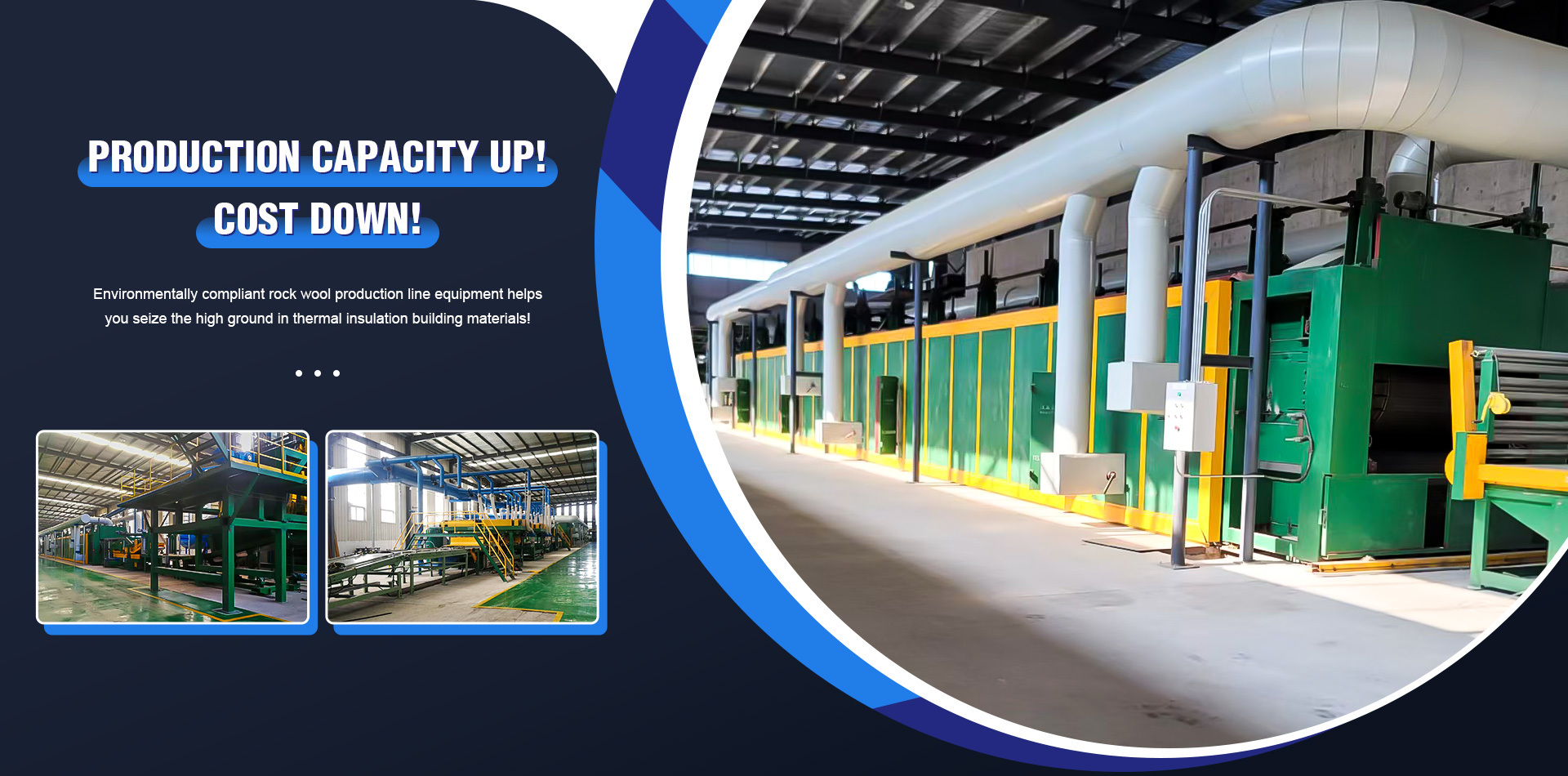
Rockwool Production Line Curing Oven
Read More

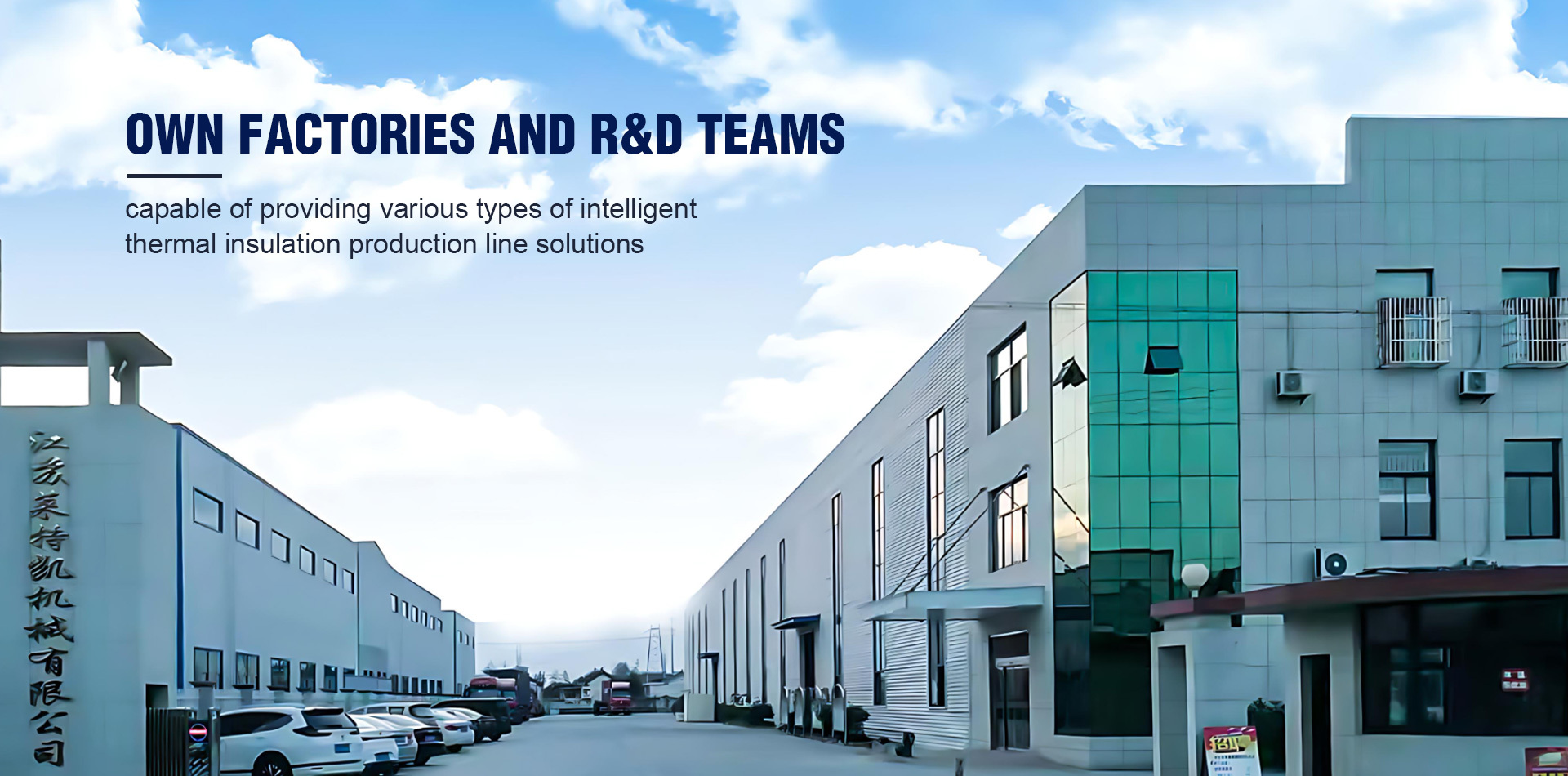
WITH OUR OWN MANUFACTURING FACILITIES AND R&D TEAM

Jiangsu Litekai Offers Comprehensive Intelligent Insulation Production Line Solutions.

DISCOVER MORE
LAITEKAI IS YOUR EXPEREICED & RELIABLE BUSINESS PARTNER

Jiangsu Laite Kai Machinery Co., Ltd. Is Located In The Nanmo Development Zone Of Haian City, Eastern Jiangsu Province, Overlooking The Yangtze River To The South. It Serves As A Key Water And Land Transportation Hub In Central Jiangsu. The Company Occupies A Total Area Of 18,000 Square Meters With Fixed Assets Exceeding 28 Million Yuan. It Specializes In Manufacturing Production Line Equipment For Rock Wool, Glass Wool, Automotive Filters, Drying Systems, And Battery Separator Production Lines.

APPLICATION SCENARIOS

External Wall Insulation

External Wall Insulation Systems For High-Rise Buildings And Commercial Complexes Enhance Energy Efficiency And Provide Class A Fire Resistance.

Electric Power Industry

Thermal Insulation For Nuclear Power Plants, Power Plant Equipment, And Pipelines

Chemical Industry

Corrosion-Resistant Insulation For Reactors, Distillation Columns, Etc.

Pipe Insulation

Steam Pipes, Hot Water Storage Tanks, Chemical Pipelines, Suitable For Environments Ranging From 200 To 600°C.

COMPANY CASE

Rockwool Production Line Equipment
LATEST NEWS

Annual overhaul and maintenance of rock wool equipment

Annual major maintenance and upkeep 1. Overhaul of refractory lining and replacement of water cooling components in the melting furnace. 2. Maintenance and replacement of centrifuge spindle, bearing seat, and spinning wheel assembly. 3. Overhaul of curing furnace body, maintenance of hot air system and dehumidification system; Replace the entire mesh belt. 4. Overhaul the cotton collecting machine and pendulum cotton laying mechanism, replace worn chains, bearings, and belts. 5. Replace the lubricating oil of the entire reducer uniformly; All bearings will be evaluated and replaced. 6. Overhaul of dust removal system, fan maintenance, and replacement of filter material. 7. Dust removal of electrical control cabinet and aging inspection of cables; Verify and calibrate all sensors. 8. Complete machine no-load and linkage testing, calibration of parameters for each section. Key maintenance points for various key equipment 1. Centrifuge (with the highest failure rate) -Core: Cooling water, vibration, spinning wheel wear, bearing lubrication. -Strictly prohibit water shortage operation; Regularly measure vibration; If the erosion of the spinning wheel exceeds the standard, it should be replaced in a timely manner. Do not force production with defects to prevent major accidents such as wheel breakage. 2. Adhesive spraying system -Resin adhesives are prone to curing, and cleaning pumps, pipelines, and nozzles is the most critical means to reduce pump and nozzle blockages when shutting down. 3. Curing oven -High temperature+resin volatiles coking, regularly clean the rollers and mesh belts inside the furnace; The dehumidification duct is prone to adhesive buildup and blockage, resulting in uneven furnace temperature and substandard products. 4. Various types of mesh belts (cotton collection, curing oven) -Key points: prevent deviation and clean surface resin clumps; The joint is a weak point, regular inspection is necessary to prevent belt breakage and shutdown. 5. Dust removal system -Rock wool fibers are fine and easily clog air ducts. Reserved cleaning doors are provided for air ducts, and dust is cleaned regularly; The ash hopper is strictly prohibited from accumulating too much material. General precautions 1. The environment is dusty, and motors, sensors, and control cabinets should be regularly dusted to avoid overheating and signal drift. 2. High temperature equipment must not be disassembled under pressure or temperature. 3. Establish a vulnerable parts ledger: spinning wheels, mesh belts, belts, saw blades, nozzles, bearings, seals, and reserve spare parts according to operating hours. 4. Keep good maintenance records, make preventive replacements according to operating hours, do not wait until it breaks before repairing, and reduce unplanned downtime.

08 September-2026

Daily use and maintenance of rock wool equipment

1. Furnace/Cupola -Check the cooling water flow rate, return water temperature, and ensure that there are no leaks or blockages in the pipeline; It is strictly prohibited to start furnace production due to water shortage. -Check the air supply system and air vents for any blockages; All instruments, pressure, and temperature displays are normal. 2. Centrifugal cotton making unit -Check the cooling water pressure and return water temperature of the centrifuge; Check for vibration, abnormal noise, and bearing temperature; Confirm that there are no obvious erosion cracks on each spinning wheel. -Check the flow channel, there is no slag blockage, and the flow channel is unobstructed. 3. Adhesive spraying system -Check the glue tank, pipeline, and nozzle for any blockages; The pressure of the glue pump is normal and there is no blockage in the filtration process; Clean the nozzle in each shift to prevent the glue from solidifying and blocking the hole. 4. Cotton Collector -Clean up the fiber accumulation in the mesh belt and air chamber; Check the tension and deviation of the mesh belt; The chain and sprocket are not loose; The negative pressure fan and dust removal pipeline are unobstructed. 5. Pendulum cotton laying system -Check the pendulum belt, transmission chain, and bolts for looseness; Check for any abnormal noise during reciprocating motion; The cylinder air source pressure is normal, and the oil-water separator is draining. 6. Curing oven -Check the burner and flame status; Check the tension and deviation of the furnace mesh belt; The furnace door seal is intact; The dehumidification fan is running normally. 7. Rear cutting (longitudinal cutting, transverse cutting) -Check the sharpness and tightness of the saw blade; Drive chain and belt tensioning; The broken edge dust removal pipeline is unobstructed; Clean the rock wool debris from the cutting table. 8. General Electric and Pneumatic -There is no dust accumulation on the proximity switch and temperature pressure sensor; The emergency stop button is intact; Air compressor, triple component drainage; All motors are normal. During operation inspection 1. Key monitoring: centrifuge vibration, bearing temperature, cooling water temperature; Temperature and wind pressure at various points of the melting furnace; Temperature in each area of the curing furnace; Rubber pump pressure; Current of each motor. 2. Observe the product status: fiber, slag ball, felt layer thickness, and adjust promptly if any abnormalities occur. 3. Observe abnormal noise, deviation, and material leakage in various transmission parts; The negative pressure of the dust removal system is normal and there is no dust emission. After shutdown (after the production line is completely shut down and cooled down) 1. Whole line cleaning: Remove equipment surfaces, mesh belts, rollers, rock wool fibers, and resin clumps inside air ducts; If resin residue is not cleaned up in time, it will harden and clump, causing machine jamming. 2. When the glue spraying system is shut down, the glue pump, pipeline, and nozzle must be cleaned to prevent the adhesive from solidifying and blocking the pipe. 3. Clean the residual molten slag from centrifuges and flow channels; Ensure proper furnace protection and insulation for the melting furnace. 4. Keep good operation records: temperature, pressure, abnormal noise, leakage, alarm, and wear and tear of vulnerable parts.

08 September-2026

Daily use and maintenance of rock wool longitudinal cutting conveyor

Applicable equipment: Vertical cutting and conveying section of rock wool production line, equipped with vertical cutting saw and strip cutting, conveying fluffy rock wool and finished rock wool board; Core difficulty: A large amount of rock wool fibers and dust entering the conveyor belt, bearings, guide rails, and cutting transmission components Pre start inspection for each shift (mandatory for operators) Inspection of conveyor table and conveyor belt Clean the surface and side gaps of the belt to prevent the accumulation of rock wool debris and dust, and prevent hard objects from scratching the belt and causing it to deviate. Check the rubber conveyor belt/chain plate for cracks, bulges, and edge wear; The belt joint has no adhesive opening. Visually check that the tension of the conveyor belt is consistent on both sides, and there is no tendency for unilateral looseness or deviation. Transmission and Roller Check whether the surfaces of the driving roller, driven roller, and tension roller are covered with rock wool slag; The roller bearing has no abnormal noise; The fastening bolts of the bearing seat are not loose. Vertical cutting supporting mechanism (cutter/blade holder) Check the sharpness of the longitudinal cutting circular blade and ensure that there are no broken edges on the disc; The sliding guide rail of the knife holder is unobstructed by debris; The clearance between the cutterhead is stable. Power, protection, electrical The appearance of the reducer and motor is free of dust accumulation; The protective cover is intact and firm, and it is strictly prohibited to remove the protective operation. The emergency stop switch, deviation limit, and photoelectric sensing switch are sensitive in action; The wires are free from wear and are wrapped in rock wool fibers. No load test run Run without load for 2-3 minutes: observe the smoothness of the belt operation, whether there is any abnormal noise, and whether the belt is rubbing against the frame; Only after confirming normal operation can the material be loaded for production.

01 August-2026

Daily use and maintenance of rock wool edging machine

Characteristics of working conditions: A large amount of rock wool dust and fiberglass easily enter bearings, guide rails, chains, and electrical control boxes; Dust is the primary cause of equipment failure; Divided into daily, weekly, monthly, and quarterly maintenance, with accompanying operating prohibitions and common faults. Pre startup specifications (mandatory for each shift) Environmental cleaning Clean the frame, pressure wheel, and feeding guide groove, remove accumulated rock wool debris and dust, and prevent feeding jamming, scratching of color steel plates, and wear of molds. Mechanical inspection Check the upper and lower edge pressing wheels and forming molds: no deformation, breakage, or adhesive residue; The wheel surface is parallel without deviation; Check all bearing seat fixing bolts and frame foundation screws for looseness; The tension of the chain/synchronous belt is moderate, without cracking or tooth detachment; Manual turning, smooth rotation, no jamming, and no metal friction noise. Power and Hydraulic/Pneumatic (two mainstream models) ✅ Hydraulic version: Check the oil level of the hydraulic station within the scale range; The oil pipe has no oil leakage; The pressure gauge returns to zero normally. ✅ Pneumatic cylinder model: stable air source pressure (conventional 0.5-0.7MPa); The oil-water separator drains water and there is no air leakage in the air pipe. Electrical safety Check the sensitivity of the emergency stop button and limit switch; The outer layer of the circuit is not worn; The dust-proof seal of the electrical control box is intact, and dust is strictly prohibited from entering the box. No load trial operation Run without load for 3-5 minutes, observe whether there is abnormal noise, vibration, and synchronous action of the oil cylinder/cylinder; Confirm that there are no errors before feeding for production.

01 August-2026

Electric arc furnace (metallurgical steelmaking, mineral thermal smelting)

Principle: A high-temperature arc is generated between the graphite electrode and the furnace charge, with a temperature of over 3000 ℃. Three phase steelmaking electric arc furnace: scrap steel smelting, special steel smelting, tonnage ranging from 1 ton to 100 tons Vacuum consumable arc furnace: rare metals such as titanium, zirconium, tungsten and molybdenum, high-purity alloys Mineral arc furnace (resistance electric arc furnace): reduction smelting of ferrosilicon, calcium carbide, and non-ferrous metal ores Features: Ultra high power, high melting efficiency, core equipment for heavy industry smelting.

15 July-2026

SAVE TIME! GET THE BEST DEAL

Copyright © 2026 Jiangsu Laitekai Machinery Co., Ltd. All rights reserved.Privacy Policy

We will contact you immediately

Fill in more information so that we can get in touch with you faster

Privacy statement: Your privacy is very important to Us. Our company promises not to disclose your personal information to any external company with out your explicit permission.

Send